domingo, 26 de mayo de 2013
#HOW A HEALTHY DIET IS?
A healthy diet is a balanced diet. This means that in this types of diet, there are included lots of kinds of nutrients, such as vitamins that can be found on most of fruits and vegetables or carbohydrates, that can be found in products like bread or rice. A diet does not mean stop eating, it means beginning eating the type of food that each person specially needs. For example, a sportsman needs a lot more of carbohydrates and proteins, so his diet must include types of food like rice, bread or pasta.

#AN INTERVIEW WITH A DOCTOR
P: What can I do to avoid a heart attack or a stroke?
D: Well, the first thing you should know is that the 80% of the premature heart attacks can be prevented. You needn't go to the doctor every short time, you just have to do three easy things:
D: Well, the first thing you should know is that the 80% of the premature heart attacks can be prevented. You needn't go to the doctor every short time, you just have to do three easy things:
- Eat a healthy diet, which is crucial for the heart and the circulatory system. This diet must include plenty of fruit and vegetables.
- Take regular physical activity, for example, running por or less during 30 minutes every day
- Avoid tobacco used. This is very harmful for the human body. If you smoke, the risk of suffering a heart attack or a stroke is much higher.
#CHECK AND CONTROL YOUR CARDIOVASCULAR RISK.
- Know your blood pressure: High blood pressure usually has no synthomps, but can cause a sudden stroke or heart attack. You should have your blood pressure checked more often.
- Know your blood sugar: Raised blood glucose (diabetes) increases the risk of heart attacks and strokes. If you have diabetes, you must control your blood pressure and your blood sugar to minimize the risk.
- Know your blood lipids: Raised blood cholesterol and abnormal blood lipids can be the cause of heart attacks and strokes. Blood cholesterol has to be controlled through a healthy diet if necessary and by aproppiate medications
domingo, 19 de mayo de 2013
#TO KEEP THE CHOLESTEROL AT BAY
The excess of cholesterol in blood is accumulated on the walls of the arteries, contributing to the process of arteriosclerosis. 200 mg/dl are considered hipercolesterolemia to the top levels of total cholesterol. It is a determinant factor in the appearance of the cardiovascular diseases. It is shown that people with levels of cholesterol in blood of 240 have the double risk to suffer a heart attack of myocardium that those with numbers of 200. In addition, the highest cholesterol doesn't have symptoms, just consequences. The sanitary measures are directed to the primary prevention to avoid the high levels of cholesterol and this way to decrease the risk of these pathologies before that they appear.
sábado, 18 de mayo de 2013
#STOP SMOKING
Every smoker on the planet knows that it's not good for them. The problem is that it's really difficult to quit. So difficult that nearly two-thirds of adults who want to quit aren't able to. It's also extremely bad for your heart.
When you smoke, the burning of the cigarette creates something called carbon monoxide (CO) -- the same thing that's created when your car burns gasoline. The CO you breath in takes the place of the oxygen that's taken to and from your heart by your red blood cells. This basically hurts those cells and keeps them from taking oxygen to the heart and from the heart to the rest of the body.
If you're not at risk for a heart attack, you should probably try to quit smoking. It's hard, but people do it every day all over the world, so you can do it too. You ought to try to cut it down first. ]. It's been tested that it's much easier to quit if you live with a smoker who's kicking the habit. There are some drugs on the market that you can buy if you're trying to quit it.
It's never late to try, don't forget that your health is really important and you must worry about it.
When you smoke, the burning of the cigarette creates something called carbon monoxide (CO) -- the same thing that's created when your car burns gasoline. The CO you breath in takes the place of the oxygen that's taken to and from your heart by your red blood cells. This basically hurts those cells and keeps them from taking oxygen to the heart and from the heart to the rest of the body.
If you're not at risk for a heart attack, you should probably try to quit smoking. It's hard, but people do it every day all over the world, so you can do it too. You ought to try to cut it down first. ]. It's been tested that it's much easier to quit if you live with a smoker who's kicking the habit. There are some drugs on the market that you can buy if you're trying to quit it.
It's never late to try, don't forget that your health is really important and you must worry about it.
#GET REGULAR HEALTH SCREENINGS
High blood pressure and high cholesterol can damage your heart and blood vessels. But without testing them, you probably won't know if you have them in bad conditions. Regular screening can tell you if you need help.
-Blood pressure. Regular blood pressure screenings start in childhood. Adults should have their blood pressure checked at least every two years. You may need more frequent checks if your numbers aren't ideal or if you have other risk factors for heart disease. Optimal blood pressure is less than 120/80 millimeters of mercury.
-Cholesterol levels. Adults should have their cholesterol measured at least once every five years . You may need more frequent testing if your numbers aren't ideal. Some children may need their blood cholesterol tested if they have a family history of heart disease.
-Diabetes screening. Since diabetes is a risk factor for developing heart disease, you may consider being screened for diabetes. Talk to your doctor about when you should have a test. Depending on your risk factors, such as being overweight or a family history of diabetes, your doctor may recommend first testing you for diabetes sometime between ages 30 and 45.
-Blood pressure. Regular blood pressure screenings start in childhood. Adults should have their blood pressure checked at least every two years. You may need more frequent checks if your numbers aren't ideal or if you have other risk factors for heart disease. Optimal blood pressure is less than 120/80 millimeters of mercury.
-Cholesterol levels. Adults should have their cholesterol measured at least once every five years . You may need more frequent testing if your numbers aren't ideal. Some children may need their blood cholesterol tested if they have a family history of heart disease.
-Diabetes screening. Since diabetes is a risk factor for developing heart disease, you may consider being screened for diabetes. Talk to your doctor about when you should have a test. Depending on your risk factors, such as being overweight or a family history of diabetes, your doctor may recommend first testing you for diabetes sometime between ages 30 and 45.
#SLEEP
People usually don't care too much about it because they think that sleeping is not important. If you don't want to be unhealthy, you must sleep. Although it changes for everyone, doctors suggest that you should get about 8 hours of sleep per night. Almost 60 percent of adults have sleeping problems , and only 37 percent get that recommended amount per night. Research shows that too little or too much sleep can have some bad effects on your blood pressure.
Scientists have done some researchs related to the hours that an usual woman sleeps. They showed that most of the women that didn't sleep enough and had no previous heart trouble, have more possibilities to suffer from coronary heart disease than the ones that slept an average of 8 hours. On the other hand, the women who slept more than 9 hours per night were also more likely to have heart trouble. They got also similar results when they studied the same situation in men, instead of women.
So the key is to try to sleep that eight hour range and you'll be doing something that will help your heart.
#REDUCE STRESS
1. Meditate
If stress has you tense and worried, you must try meditation. Spending a few minutes in meditation can make you feel calm and relax. If you're thinking that meditation means twisting your body into an uncomfortable position and uttering "oohs" and "omms" for an hour, you’re completely wrong.
Anyone can practice meditation. It's simple and inexpensive, and you don't need any special equipment.
3. Take a Break
If you feel that you don't have enough time for you, you must reduce the activities you have each day in order to have at least 1 hour to rest on the sofa.
4. Learn to disconect
Do you have a free day? Then it's time to switch off your mobile or Blackberry, unless you need to keep in touch with somebody.
5. Breathe Deep
· Take a deep breath.
· Once you feel your breath is full, take three more little breaths and hold
· Then, exhale fully
· Repeat 3-4 times
6. Keep an eye on the Caffeine
Drinks like coffee, tea, cola and alcohol increases stress levels. If you must drink tea, try to drink green or white tea. They'll help you to feel more relaxed
7. Be Positive
If there's something that worries you, take a step back and think, is this something I really need to worry about? Changing your viewpoint may help you to see it from a more positive angle. Remember that you'll only live once!!

If stress has you tense and worried, you must try meditation. Spending a few minutes in meditation can make you feel calm and relax. If you're thinking that meditation means twisting your body into an uncomfortable position and uttering "oohs" and "omms" for an hour, you’re completely wrong.
Anyone can practice meditation. It's simple and inexpensive, and you don't need any special equipment.
3. Take a Break
If you feel that you don't have enough time for you, you must reduce the activities you have each day in order to have at least 1 hour to rest on the sofa.
4. Learn to disconect
Do you have a free day? Then it's time to switch off your mobile or Blackberry, unless you need to keep in touch with somebody.
5. Breathe Deep
· Take a deep breath.
· Once you feel your breath is full, take three more little breaths and hold
· Then, exhale fully
· Repeat 3-4 times
6. Keep an eye on the Caffeine
Drinks like coffee, tea, cola and alcohol increases stress levels. If you must drink tea, try to drink green or white tea. They'll help you to feel more relaxed
7. Be Positive
If there's something that worries you, take a step back and think, is this something I really need to worry about? Changing your viewpoint may help you to see it from a more positive angle. Remember that you'll only live once!!
#DIET
Eating a healthy balanced diet is as important as doing excercise and of course it helps your heart.
BASE YOUR MEALS ON CARBOHYDRATES
BASE YOUR MEALS ON CARBOHYDRATES
Carbohydrates should be one third of the foods you eat if you want to be healthy. Carbohydrates include potatoes, cereals,
pasta, rice and bread. Most of us should eat more carbohydrates, try to eat them with each main meal. Some people think that they are
fattening, but it's not true. They are an essencial part of our diet.
EAT
LOTS OF FRUIT AND VEGETABLES
It’s recommended to eat
at least five portions of different types of fruit and vegetables a day. It’s
easier than it sounds. A glass of natural fruit juice can count as one
portion, and vegetables cooked into dishes also count. Why don't you cut a banana and eat it in your breakfast, or change your usual snack for some fruit?
EAT
MORE FISH
Fish is a good source of
protein and contains many vitamins and minerals. You should try to eat at least two
portions a week, including at least one portion of oily fish, which may help you to prevent heart disease. You can
choose from fresh, frozen and canned; but remember that canned fish can be high in salt. You don't need to eat any strange fish, you may eat salmon, fresh
tuna or sardines.
REDUCE SATURATED FAT AND SUGAR
We need some fat in our
diet. But it’s important to pay attention to the type of fat we’re
eating. Eating too much saturated fat can be dangerous for us as it can increase amount of cholesterol in the blood, which increases your risk of developing heart disease. You can find saturated fat in many
foods, such as cakes, biscuits, sausages and butter.
Most people eat and drink too much sugar. Sugary foods and drinks, including alcoholic drinks, are often high in calories. You ought to reduce fizzy drinks, alcoholic drinks, cakes, biscuits and pastries, which contain added sugars. Most of the health problems have been produced by sugar excess.
Most people eat and drink too much sugar. Sugary foods and drinks, including alcoholic drinks, are often high in calories. You ought to reduce fizzy drinks, alcoholic drinks, cakes, biscuits and pastries, which contain added sugars. Most of the health problems have been produced by sugar excess.
EAT
LESS SALT
Even if you don’t add salt to
your food, you may still be eating too much. Most of the salt
we eat is in the food we buy, such as cereals and bread. Eating too much salt can raise your blood pressure. It's really important for adults to try to avoid salty food but it's even more important for children. You can't avoid it completely but you may reduce it.
DON'T GET THIRSTY
We need to drink about 1.2 litres of water every day. Most of the water we have per day is contained in the food we eat. Water, milk and fruit juices are the most healthy. When the weather is warm, or when we practise sport, we may drink more. However, drinking more than what you need is also unhealthy.
We need to drink about 1.2 litres of water every day. Most of the water we have per day is contained in the food we eat. Water, milk and fruit juices are the most healthy. When the weather is warm, or when we practise sport, we may drink more. However, drinking more than what you need is also unhealthy.
domingo, 12 de mayo de 2013
# EXERCISE
Inactivity is one of the most common factors for heart disease. However, exercise helps your heart health. Like all muscles, the heart becomes stronger as a result of exercise, so it can pump more blood through the body with every beat and continue working at maximum level. A regular workout is good for your heart as well as your waistline. You don't have to excercise with press heavy weight or run marathons. Anything that will make your body move for a while should be enough. You just need 30 minutes of movement every day. Go for a walk, take an exercise class, ride your bike or get outside to garden.
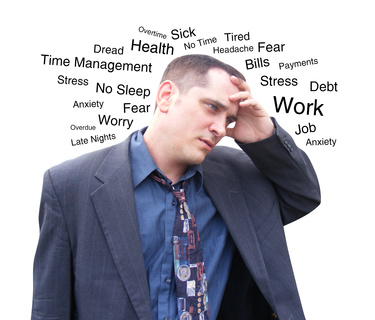
You should have a walk every day. It’s recommended to walk around 30 minutes.
You should buy a pedometer, an electronic device that clips on your waistband and records how many steps are taken. This will let you know your progress. Experts recommend 10,000 steps a day. Vacuuming, washing the windows and gardening also count as exercise.
Finally, weekends are a great opportunity to be more active. From country walks to busy shopping trips and leisure centers to health spas, there is a range of venues and activities that suit everyone.
Some simple ways to increase activity levels are:
· Take the stairs to tone your legs and buttocks instead of using a lift.
· Walk to the shops instead of driving, and carry the shopping bags home to give your arms a good workout
· Cycle or walk short journeys rather than using the car
· Get off the bus or train a stop early
· Use your lunch break to go for a walk.
You must find a friend to exercise with. This increases your motivation to get to that class or gym session!!

You should have a walk every day. It’s recommended to walk around 30 minutes.
You should buy a pedometer, an electronic device that clips on your waistband and records how many steps are taken. This will let you know your progress. Experts recommend 10,000 steps a day. Vacuuming, washing the windows and gardening also count as exercise.
Finally, weekends are a great opportunity to be more active. From country walks to busy shopping trips and leisure centers to health spas, there is a range of venues and activities that suit everyone.
Some simple ways to increase activity levels are:
· Take the stairs to tone your legs and buttocks instead of using a lift.
· Walk to the shops instead of driving, and carry the shopping bags home to give your arms a good workout
· Cycle or walk short journeys rather than using the car
· Get off the bus or train a stop early
· Use your lunch break to go for a walk.
You must find a friend to exercise with. This increases your motivation to get to that class or gym session!!

lunes, 6 de mayo de 2013
CHANGE YOUR LIFESTYLE TO PREVENT A HEART ATTACK
Two of the most common causes of heart attacks are obesity and high cholesterol. Other factors that can produce a heart attack in women over 50 are diabetes, lack of exercise, stress, smoking, high blood pressure and even heredity. You must talk to your doctor about your risk factors for heart disease and you should start a heart-healthy lifestyle as soon as possible.
Preventing a heart attack is as easy as quitting smoking, getting more exercise, eating a healthy balanced diet, and trying to live a more stress free life. If this seems to be very hard for you, you should start with small steps to reduce your risk of heart disease. Introduce more physical activity into your everyday routine, reduce the fat in your diet, get help to quit smoking, and explore different ways to be more relaxed.
You must have a good attitude to improve your boring lifestyle in order to change it a make you feel better.
Watch this original video, it will also give you some tips about being healthy!!
http://www.youtube.com/watch?v=jKikTtcqqzs
Preventing a heart attack is as easy as quitting smoking, getting more exercise, eating a healthy balanced diet, and trying to live a more stress free life. If this seems to be very hard for you, you should start with small steps to reduce your risk of heart disease. Introduce more physical activity into your everyday routine, reduce the fat in your diet, get help to quit smoking, and explore different ways to be more relaxed.
You must have a good attitude to improve your boring lifestyle in order to change it a make you feel better.
Watch this original video, it will also give you some tips about being healthy!!
http://www.youtube.com/watch?v=jKikTtcqqzs
lunes, 29 de abril de 2013
Hello everybody! We are Ale, Xenia and María. We have studied Medicin and we're specialised in Cardiology. We've created this blog to give you some tips about how to take care of your heart. The heart is the most important organ of your body and you must be really careful with it. Of course, we will be able to answer you if you have doubts. We're looking forward to helping you :)

.svg)
Suscribirse a:
Entradas (Atom)